
March 24, 2026
How to Maintain Your Automatic Gate System in Kenya
Let’s be honest—most people install an automatic gate and forget about it… until the day it refuses to open when you’re in a hurry. That moment is when maintenance suddenly becomes very important.
The good news? Keeping your automatic gate motor in top condition is not complicated. With a few simple habits and periodic checks, you can extend the life of your system, avoid costly repairs, and ensure smooth operation every single day.
This guide walks you through everything you need to know—from basic care to professional servicing—so your gate works reliably in Kenya’s real-world conditions.
Why Gate Motor Maintenance Matters
An automatic gate is not just a motor—it’s a complete system with moving parts, electronics, and safety features. Over time, dust, weather, and daily use can affect performance.
In areas like Nairobi, Ruiru, and Kiambu, common challenges include:
- Dust buildup on moving parts
- Power fluctuations
- Frequent usage (especially in apartments)
- Rain and moisture exposure
Without maintenance, small issues can turn into expensive breakdowns. A well-maintained system can last 5–10 years or more, while a neglected one may start failing within a short time.
How Often Should You Service Your Gate?
This depends on how often your gate is used.
- Residential homes: Every 6–12 months
- Apartments or shared compounds: Every 3–6 months
- Commercial properties: Every 3 months
Regular servicing keeps your system running efficiently and helps detect issues early.
Daily and Weekly Maintenance Tips
You don’t need to be a technician to take care of your gate. Simple checks can make a big difference.
Keep the Track Clean (For Sliding Gates)
Dust, stones, and debris can block the gate’s movement. Even small obstructions can strain the motor.
Make it a habit to:
- Sweep the track regularly
- Remove stones and dirt
- Check for anything blocking movement
A clean track ensures smooth operation and reduces wear on the motor.
Listen to Your Gate
Your gate will often “tell you” when something is wrong.
Watch out for:
- Unusual noises (grinding, squeaking)
- Slower movement than usual
- Jerky or uneven motion
If you notice any of these, it’s best to address the issue early before it worsens.
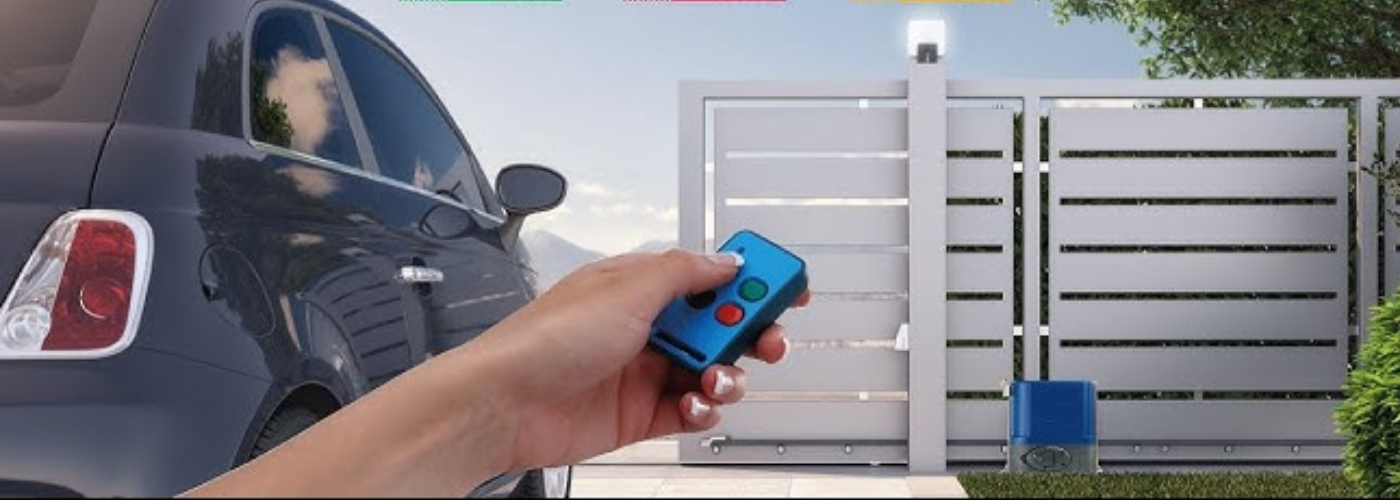
Check the Remote and Controls
Sometimes the problem isn’t the motor—it’s the remote.
- Replace weak batteries
- Ensure buttons are working properly
- Check signal range
If multiple remotes fail, the issue may be with the receiver or control board.
Monthly Maintenance Checklist
A quick monthly check can prevent major issues.
Inspect the Gate Alignment
If your gate is misaligned, the motor works harder than it should.
Signs of misalignment include:
- Gate dragging on the ground
- Uneven movement
- Difficulty opening or closing
Proper alignment reduces strain on the motor and improves lifespan.
Test Safety Features
Automatic gates are equipped with safety systems such as:
- Infrared safety beams
- Obstacle detection sensors
Test these features by placing an object in the gate’s path. The gate should stop or reverse immediately. If it doesn’t, it needs urgent attention.
Check the Battery Backup
Most gate motors in Kenya rely on backup batteries.
- Ensure the battery is charging properly
- Replace if performance drops
- Test operation during a power outage
A faulty battery can leave you stranded when power goes off.
Professional Maintenance (What Experts Do)
Even with regular care, professional servicing is essential.
A qualified technician will:
- Inspect the motor and internal components
- Lubricate moving parts
- Check wiring and electrical connections
- Test safety systems
- Adjust settings for optimal performance
Professional maintenance ensures your system operates safely and efficiently.
Common Problems Caused by Poor Maintenance
Ignoring maintenance often leads to:
- Gate failing to open or close
- Motor overheating
- Increased electricity consumption
- Premature battery failure
- Expensive repairs or full motor replacement
Most of these issues can be avoided with regular servicing.
Real Experiences from Homeowners
Daniel M., Ruiru:
“I ignored maintenance for a year and my gate started making noise and slowing down. After servicing, it works like new again.”
Lucy W., Nairobi:
“We now service our gate every six months. It’s been running smoothly without any issues.”
Peter K., Kiambu:
“The technician spotted a small issue during maintenance that could have damaged the motor. It saved me a lot of money.”
Expert Recommendations
To keep your automatic gate motor in top condition:
- Clean the gate track regularly
- Listen for unusual sounds
- Test safety features monthly
- Replace batteries when needed
- Schedule professional servicing at least once a year
These simple steps can significantly extend the life of your gate system.
Final Thoughts
Maintaining your automatic gate motor is not just about avoiding breakdowns—it’s about ensuring convenience, safety, and long-term value.
A well-maintained gate works quietly, smoothly, and reliably. It becomes something you never have to think about—which is exactly how it should be.
FAQs
1. How often should I service my automatic gate?
At least once every 6–12 months for residential homes, and more frequently for high-usage gates.
2. Can I maintain my gate myself?
You can handle basic cleaning and checks, but professional servicing is still necessary.
3. Why is my gate making noise?
This could be due to dirt, lack of lubrication, or worn-out parts.
4. How long does a gate motor last?
With proper maintenance, a quality motor can last 5–10 years or more.
5. What is the most common cause of gate failure?
Lack of maintenance, especially dirt buildup and battery issues.
Contact Us
For professional automatic gate maintenance and servicing in Nairobi, Ruiru, and Kiambu:
Website: www.automaticgates.co.ke
Call | Text | WhatsApp: 0722 708034 | 0720 456534
We provide expert maintenance, repairs, and full gate automation solutions to keep your system running smoothly.