March 24, 2026
Solar-Powered Automatic Gates — Is It Worth It in Kenya?
If you’ve ever been stuck outside your gate during a blackout, you already understand the frustration. Now imagine your gate opening smoothly with zero reliance on Kenya Power. That’s exactly why more homeowners in Nairobi, Ruiru, and across Kenya are asking:
“Are solar-powered automatic gates actually worth it?”
Let’s break it down in a real, practical way—no hype, just what works in Kenya.
What Is a Solar-Powered Automatic Gate?
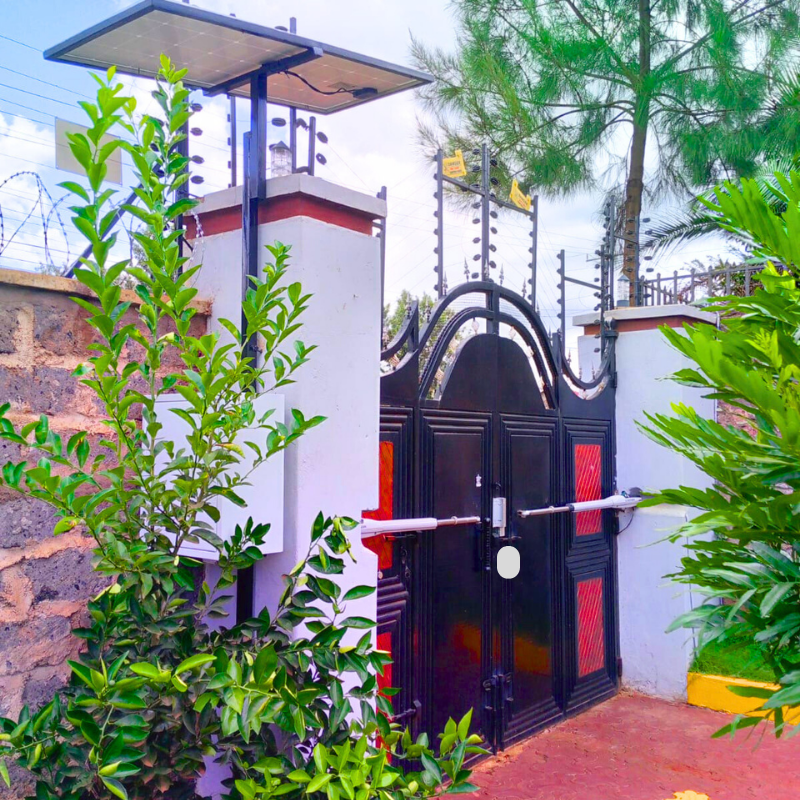
A solar-powered gate uses solar panels, a charge controller, and batteries to power the gate motor instead of relying entirely on electricity from the grid.
During the day, solar panels charge the batteries. At night or during cloudy weather, the system runs on stored energy. It’s a simple concept—but in Kenya, it solves a very real problem.
Why Solar Gate Systems Are Becoming Popular in Kenya
Kenya has one major advantage: consistent sunlight throughout the year. That makes solar energy not just an alternative—but a highly practical solution.
In areas like Ruiru, Kiambu, Kitengela, and even rural towns, homeowners are choosing solar gate systems because they:
- Eliminate dependence on unreliable power
- Reduce electricity bills
- Offer uninterrupted access even during outages
- Work perfectly for off-grid homes
In short, solar isn’t just “nice to have”—for many properties, it’s becoming essential.
How Much Does a Solar Gate System Cost in Kenya?
Let’s talk numbers, because this is where most decisions are made.
Typical Pricing (2026)
| System Type | Estimated Cost (KES) |
|---|---|
| Standard automatic gate (electric) | 137,000.00 |
| Solar upgrade (panel + battery system) | 55,000.00 |
| Fully solar-powered system | 192,000.00 |
The solar component adds to your upfront cost, but it removes ongoing electricity expenses and reduces dependence on the grid.
What You Actually Need for a Solar Gate Setup
A proper solar-powered gate system includes:
- Solar panel (typically 200W–300W)
- Deep-cycle battery
- Charge controller
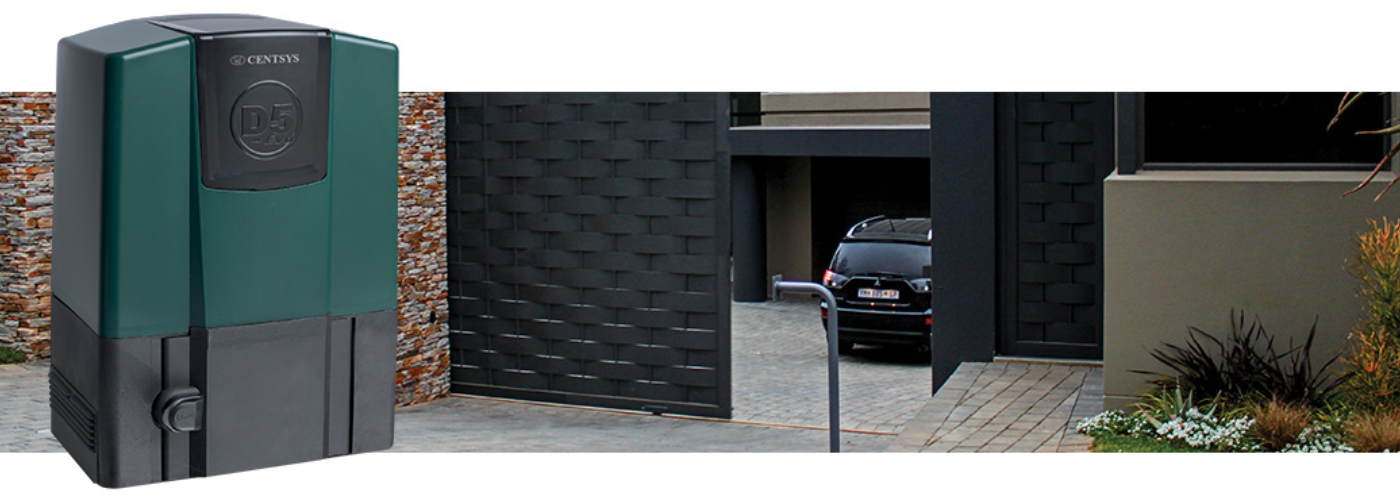
- Gate motor (Centurion, NICE, or Hansa)
- Safety beams and control system
The key is proper sizing. A poorly sized system will fail—especially during cloudy days.
Pros of Solar-Powered Gates in Kenya
Reliable During Power Outages
This is the biggest advantage. Whether it’s scheduled outages or unexpected blackouts, your gate continues working without interruption.
Lower Electricity Costs
Once installed, solar energy is free. Over time, you recover your investment through reduced electricity usage.
Ideal for Remote or Off-Grid Homes
If your property is far from the grid, solar is often the only practical solution.
Eco-Friendly Solution
Solar reduces your carbon footprint and aligns with sustainable living trends.
Cons You Should Know (Real Talk)
Higher Initial Cost
Solar systems require an upfront investment, which can discourage some homeowners.
Battery Replacement
Batteries typically last 2–4 years and will need replacement, adding to long-term costs.
Weather Dependence
While Kenya has good sunlight, extended cloudy periods can affect performance if the system is not properly sized.
Real Example (Typical Home in Ruiru)
Let’s say you install:
- Sliding gate (600–800 kg)
- Centurion D6 Smart motor
- Solar panel + battery system
Estimated cost:
- Gate automation: 105,000.00 KES
- Solar upgrade: 55,000.00 KES
Total: 160,000.00 KES
In return, you get a gate that works even when the entire neighborhood is in darkness.
Customer Experiences
David N., Ruiru:
“We installed a solar-powered gate after constant blackouts. It has been extremely reliable, even during long outages.”
Grace W., Kiambu:
“Our home is off-grid, so solar was the only option. The system works perfectly and gives us full control.”
Samuel K., Kitengela:
“At first, I thought solar was expensive, but now I don’t worry about power at all. It was worth it.”
Expert Recommendations
If you’re considering solar gate automation in Kenya:
- Use a high-quality motor like Centurion for reliability
- Install a properly sized solar system (don’t undersize)
- Choose deep-cycle batteries for longer life
- Work with experienced installers
- Combine solar with backup battery systems for maximum efficiency
So… Is It Worth It?
Here’s the honest answer:
YES — if:
- You experience frequent power outages
- You live in a remote or off-grid area
- You want long-term energy independence
MAYBE — if:
- You already have stable electricity
- You’re working with a tight budget
Final Verdict
Solar-powered automatic gates are not just a trend in Kenya—they are a practical upgrade for modern homes.
They offer reliability, independence from the grid, and long-term savings. While the upfront cost is higher, the convenience and peace of mind make it a smart investment for many homeowners.
FAQs
1. Can a solar-powered gate work at night?
Yes. The system uses batteries charged during the day to operate at night.
2. How long do solar batteries last?
Typically 2–4 years depending on usage and battery quality.
3. Can I convert my existing gate to solar?
Yes. Most automatic gates can be upgraded with a solar system.
4. What happens during cloudy weather?
A properly sized system will continue working using stored battery power.
5. Which motor is best for solar gates in Kenya?
Centurion motors are highly recommended due to their low power consumption and reliability.
Contact Us
For solar-powered automatic gate installation in Nairobi, Ruiru, and Kiambu:
Website: www.automaticgates.co.ke
Call | Text | WhatsApp: 0722 708034 | 0720 456534
We provide complete solutions including gate motors, solar systems, GSM control, and intercom